If Your Gym Doesn't Challenge You, You Should Leave
We always assume that training has to do only with our mechanical structure: bones, muscles, joints. A big part of it belongs to our control system, the brain and the nervous system. This is where CrossFit® really shines over any other type of training.
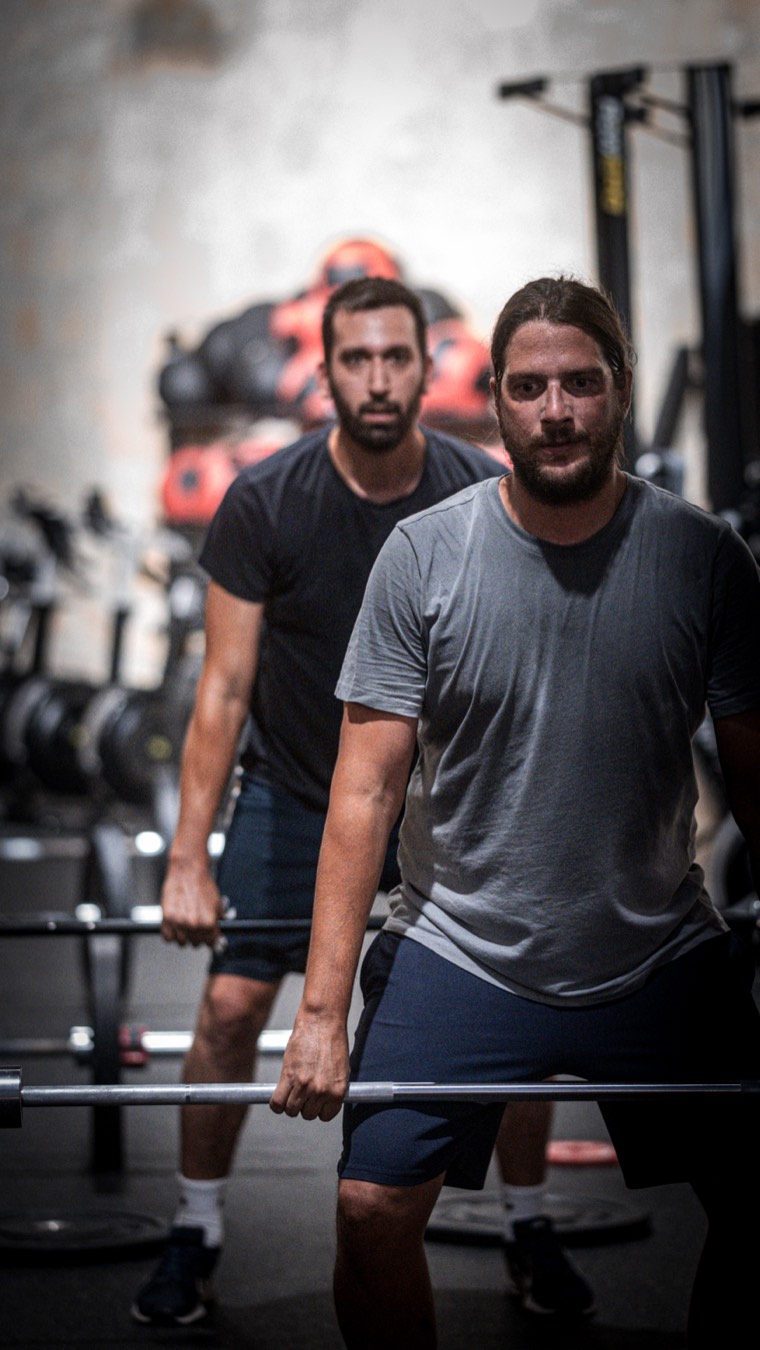
What you see at the surface is half the story.
You have heard these before
- "I am not competing in Olympic weightlifting. Why should I learn to snatch? It is pointless."
- "For my explosiveness I can use simpler exercises like box jumps. There is no reason to learn a power clean."
- "What is the point of doing a muscle-up? I can do pull-ups and push-ups and get the same muscle engagement."
- "I am not a kid. I do not want to learn double-unders. I want to build muscle."
Every one of them makes sense if training is only about muscle. Every one of them misses the most valuable gain of all: what the learning does to your brain.
What a new skill does to your brain
When you learn a new skill like a double-under or a muscle-up, you force your nervous system to build something it did not have before. This shows up on a brain scan. Adults who spent three months learning to juggle grew grey matter in the areas that track moving objects. When they stopped practising, the gain faded (Draganski, 2004).
It carries past the gym. Across 80 trials, exercise built on complex, coordinated movement did more for thinking than simpler kinds of exercise (Ludyga, 2020). A brain that keeps learning works better, and it stands up better to the test of time as we get older.
So the snatch is not for the weightlifting platform. It is for you.
The brain area that grows when you do what you would rather skip
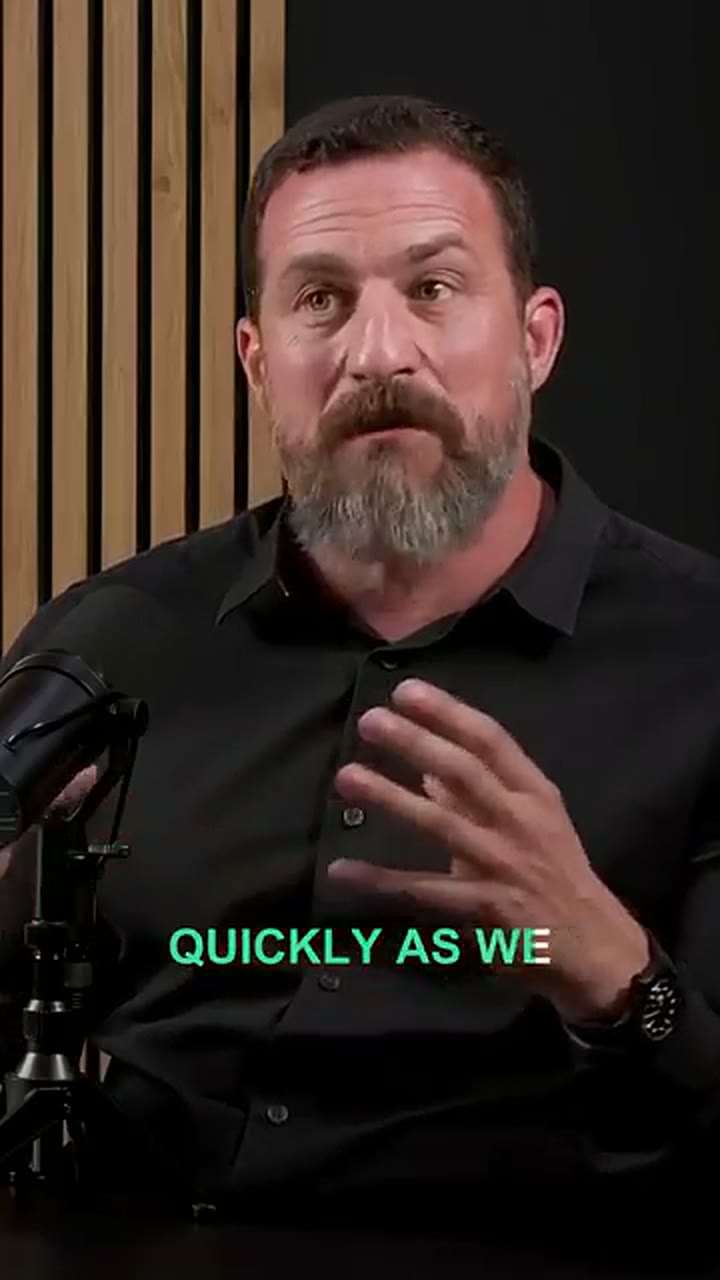
Neuroscientist Andrew Huberman describes a part of the brain called the anterior mid-cingulate cortex. Researchers tie it to tenacity: staying with something hard when quitting is easier (Touroutoglou, 2020). In his words, it is "larger in athletes", and it grows in people who "see themselves as challenged and overcome some challenge".
The part that matters most for your training: "It's not about adding more work, it's about adding more work that you don't want to do." Once the hard thing becomes comfortable, it stops doing this job. You need the next hard thing.
Why the cold plunge is not only for recovery
Our cold plunge plays the same role. We do not use it only for recovery. We use it to build more resilient, more motivated people.
Find a gym that challenges you every day.
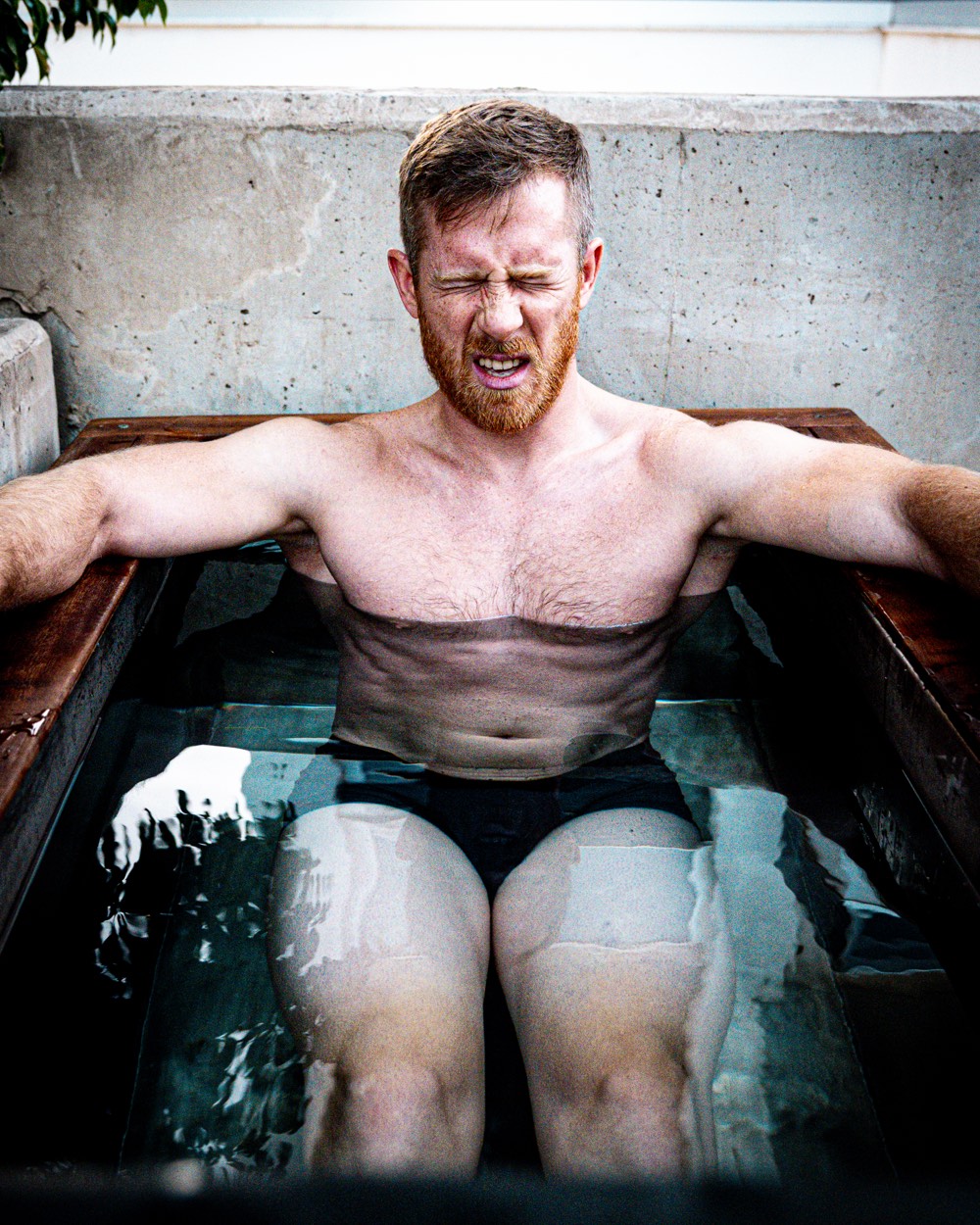
Nobody wants to step into water close to 3°C. That friction in your brain, in the seconds before you get in, is the training. Huberman says it in the video: if you love the ice bath, staying in longer changes nothing. If you hate it and get in anyway, that is the rep.
The body answers too. In one study, an hour in 14°C water raised noradrenaline in the blood by 530% and dopamine by 250% (Šrámek, 2000).
Constant Growth
The programming at CrossFit IRONSKY, and the whole concept of the gym, is rooted in one idea: Constant Growth. Always a skill you do not have yet, a load you have not lifted, cold water you would rather not get into. The result is a complete neuromuscular machinery, brain and body, polished and capable for most of life's challenges.
Challenge does not mean reckless. Every movement is scaled to the person in front of us, and you do not need to be fit to start. A beginner learning to jump a rope is doing the same work as an athlete chasing a muscle-up: something they cannot do yet.
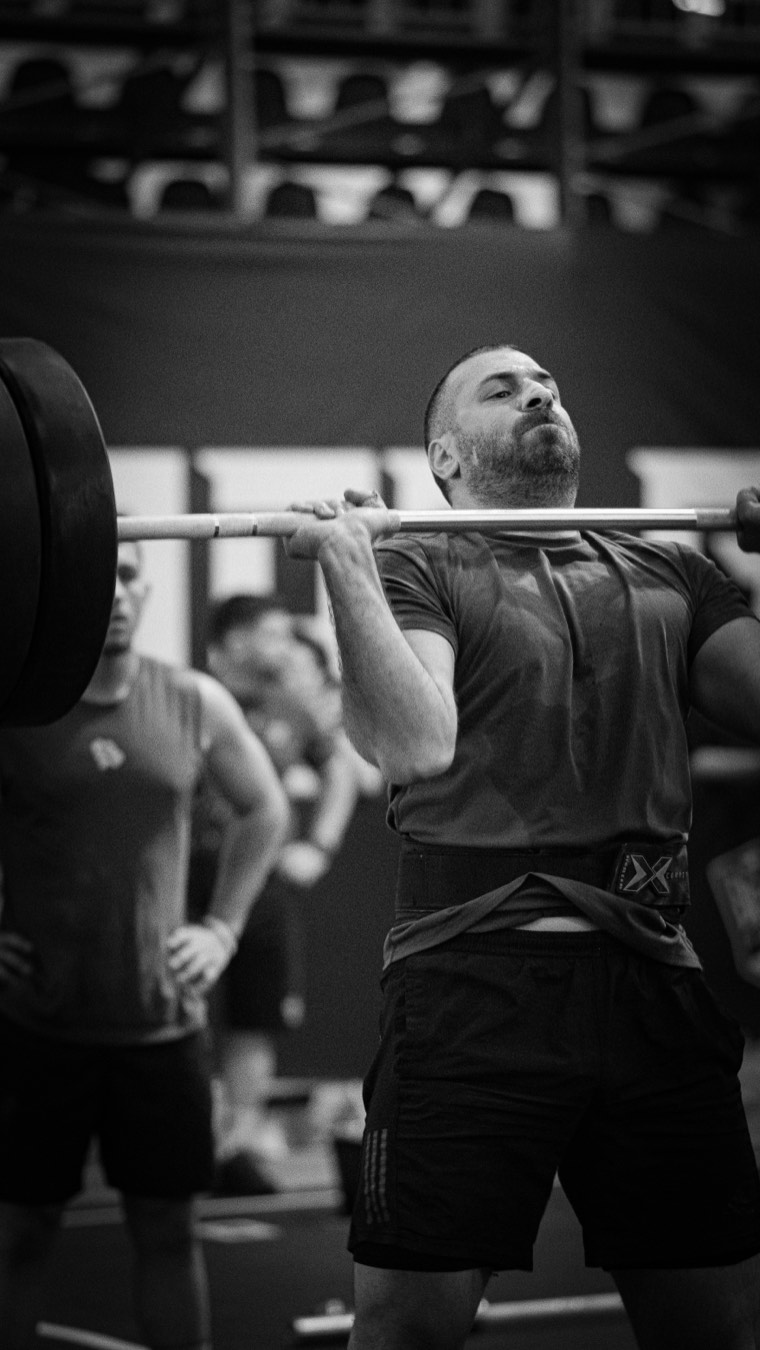
CrossFit is not dangerous. Not growing is.
If your gym feels like an escape
If I enjoy going to my gym and it always feels like an escape and relaxation, then something is not fully right.
You can love the place and the people in it. But if you never feel a little uncomfortable walking through the door, you should probably change environment and find a gym that challenges you every day.
Come and try a class with us. Email hello@crossfitironsky.com or walk in at Ayiou Lazarou 83, Larnaka. The cold plunge is open to everyone, members or not: book a session.
References
- Draganski B, et al. Changes in grey matter induced by training. Nature. 2004;427:311-312. doi:10.1038/427311a
- Ludyga S, et al. Systematic review and meta-analysis investigating moderators of long-term effects of exercise on cognition in healthy individuals. Nature Human Behaviour. 2020;4:603-612. doi:10.1038/s41562-020-0851-8
- Touroutoglou A, et al. The tenacious brain: how the anterior mid-cingulate contributes to achieving goals. Cortex. 2020;123:12-29. doi:10.1016/j.cortex.2019.09.011
- Šrámek P, et al. Human physiological responses to immersion into water of different temperatures. European Journal of Applied Physiology. 2000;81:436-442. doi:10.1007/s004210050065
Common questions
Why learn the snatch or the muscle-up if I only want to build muscle?
Because the muscle is only half of what you train. Learning a complex skill forces your nervous system to build something new, and exercise built on coordinated movement does more for thinking than simpler exercise. The skill is for your brain as much as for your body.
Should training always feel uncomfortable?
Not every minute, and never unsafe. But the part of the brain tied to willpower grows when you do what you would rather avoid, and it stops growing once the hard thing becomes comfortable. A gym that always feels like an escape is skipping that work.
Is the cold plunge only for recovery?
No. Recovery is one use. The other is the moment before you get in: nobody wants to step into water close to 3°C, and doing it anyway is practice at doing hard things. The plunge at CrossFit IRONSKY is open to members and non-members.
Stay strong, stay wild, stay IRONSKY.